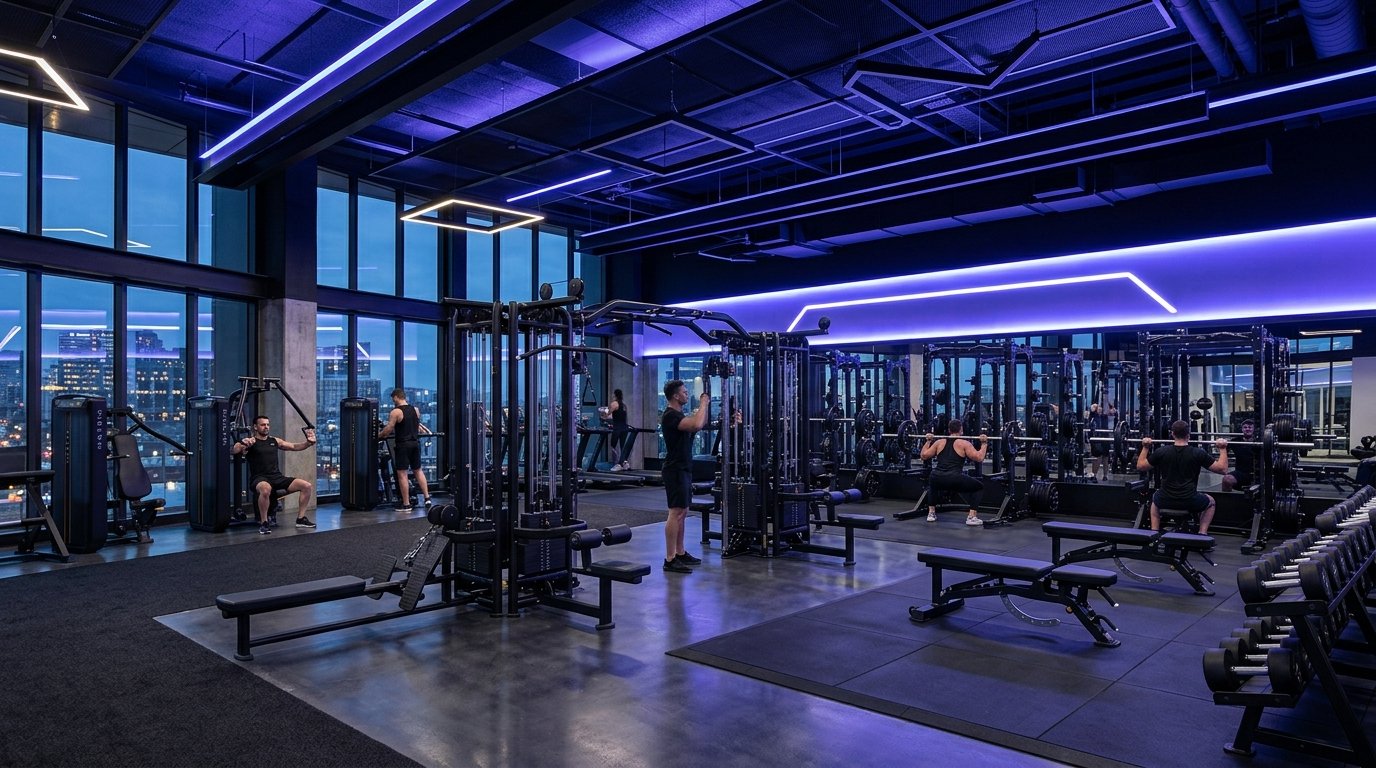
Operating a commercial fitness facility is an inherently physical enterprise involving heavy free weights, high-tension cable machinery, motorized treadmills, and high-intensity cardiovascular exertion. While gym owners focus primarily on driving membership sales, member retention, and marketing, the legal risks associated with facility operations can jeopardize years of hard work in a matter of seconds. From sudden musculoskeletal tears and slip-and-fall incidents in wet shower areas to acute cardiovascular episodes and equipment mechanical failures, fitness centers operate on the frontlines of personal injury liability. Protecting your gym business against catastrophic liability claims requires a multi-layered risk mitigation strategy that integrates airtight digital legal documentation, proactive facility safety protocols, and forensic biometric access tracking.
1. The Anatomy of Modern Gym Liability Risks
Understanding where legal vulnerabilities originate is the first step in constructing a comprehensive defense strategy. In commercial fitness centers, liability exposure typically falls into four primary operational categories:
- Equipment Malfunction and Structural Failure: Worn-out multi-gym cables snapping under tension, sheared bolts on bench press frames, seized bearings on motorized treadmills causing sudden deceleration, or loose Olympic barbell collar clamps resulting in dropped weight plates. If a member is injured due to worn machinery, the gym is exposed to severe negligence lawsuits unless comprehensive maintenance logs can be produced.
- Slip, Trip, and Fall Incidents: Wet tiles in locker rooms, leaking water dispensers near cardio zones, sweat pools left unmopped beneath squat racks, or free-weight dumbbells left scattered across main walkways create classic premises liability hazards.
- Exertion-Induced Medical Emergencies: Intense physical exertion can trigger pre-existing cardiovascular conditions, exertional rhabdomyolysis, severe dehydration, or acute fainting. If a facility cannot prove the member self-certified their physical readiness (PAR-Q), liability can extend to inadequate emergency response or failure to screen.
- Unauthorized Entry and "Ghost Claims": A non-member sneaks in by sharing a friend's plastic keycard or tailgating through an unmonitored door, sustains an injury, and files a personal injury lawsuit against the facility for failing to maintain a safe, supervised environment.
"In a personal injury dispute, verbal assertions hold zero weight in court. What wins cases and prevents multi-lakh settlements is immutable, timestamped documentation proving that the member acknowledged the risks, certified their medical fitness, and that the gym executed reasonable duty of care."
2. The Fatal Flaws of Traditional Paper Liability Waivers
Many gym owners operate under a false sense of security because they have physical clipboards or paper binders filled with signed registration forms. However, in modern legal proceedings, traditional paper waivers almost always crumble under scrutiny due to fundamental administrative weaknesses:
Why Paper Waivers Fail Under Legal Scrutiny
- Illegible Handwriting & Identity Ambiguity: Rushed signatures scribbled at the reception desk during peak check-in rushes often fail signature verification tests, allowing plaintiffs to claim an unauthorized acquaintance signed on their behalf.
- Physical Loss, Water Damage, and Misplacement: Storing paper documents in office cabinets makes fast retrieval impossible when an incident occurs 18 months into a member's tenure. Physical binders are vulnerable to water leakage, mold, and misfiling.
- Lack of Version Control and Periodic Re-signing: When membership agreements or facility safety policies are updated, paper-based gyms rarely re-sign hundreds of active members, leaving legal gaps.
- Missing Cryptographic Timestamps & Device Metadata: A paper signature cannot independently prove the exact second it was executed, making it susceptible to allegations of post-incident backdating.
3. Essential Legal Clauses Every Enforceable Gym Waiver Must Contain
To withstand judicial scrutiny, your fitness center's liability waiver must be carefully structured by legal counsel to include unambiguous, explicit risk-shifting language. Essential structural components include:
- Express Assumption of Risk: The agreement must explicitly enumerate the specific physical risks inherent to fitness activities—including cardiovascular strain, soft tissue tears, blunt force trauma from dropped weights, and equipment breakdown—verifying that the member enters voluntarily with full knowledge of danger.
- Broad Release and Covenant Not to Sue: A definitive statement where the signer releases the gym, its owners, directors, personal trainers, and independent contractors from all claims arising out of ordinary negligence.
- Standardized PAR-Q (Physical Activity Readiness Questionnaire): A structured medical declaration where the member confirms they do not suffer from heart conditions, chronic dizziness, spinal injuries, or unmonitored hypertension, or confirms they have received medical clearance from a certified physician.
- Comprehensive Indemnification Clause: A requirement that if the signer (or their guest/minor dependent) files a lawsuit or causes damage to third parties, they must indemnify the fitness business for all legal defense fees and costs incurred.
- Facility Rules & Lockout Acknowledgement: Express consent acknowledging that failure to follow hygiene, equipment racking, or safety rules will result in immediate revocation of access privileges without refund.
4. Biometric Access Control: The Ultimate Forensic Audit Trail
While digital waivers establish the legal agreement, biometric access control provides the forensic evidence required to defend your business against fraudulent claims. Traditional plastic RFID cards, barcodes, and PIN codes fail because they can be shared, loaned, or duplicated.
AI Face Recognition and biometric entry systems solve this problem by generating an unalterable logbook with sub-second precision:
- Defeating Fraudulent "Ghost Claims": If a former member claims they slipped on a wet locker room floor on Tuesday evening at 7:30 PM, biometric logs can immediately verify whether that individual was physically on the premises, proving their presence or lack thereof with absolute certainty.
- Eliminating Card-Sharing Liability: By tying facility access strictly to facial biometrics, unauthorized non-paying individuals cannot enter your gym unsupervised, completely eliminating the legal exposure of non-member injuries on your floor.
- Synchronized CCTV Event Matching: When an incident occurs, gym managers can cross-reference the exact biometric check-in timestamp with security camera footage to preserve forensic video evidence before standard 30-day overwrites occur.
5. Standard Operating Procedures (SOPs) for Equipment Maintenance & Floor Safety
Beyond documentation, demonstrating proactive "duty of care" requires establishing systematic floor safety protocols that can be proven via digital logs:
Daily Pre-Opening Mechanical Audits
Floor supervisors must conduct a daily pre-opening inspection across all high-tension cable apparatus, smith machines, squat racks, and motorized cardio equipment. Any fraying cable, loose carabiner, or cracked welding seam must immediately trigger an out-of-order lock and be documented digitally with timestamped photos.
Staff CPR, AED, and First-Aid Certifications
Ensure that 100% of full-time floor trainers and reception executives maintain up-to-date CPR and Automated External Defibrillator (AED) certifications. Prominently display emergency evacuation diagrams, keep a fully stocked first-aid kit at the reception, and conduct quarterly emergency simulation drills.
Proactive Wet-Floor Protocols
Locker rooms, saunas, showers, and water refilling stations must have non-slip rubberized flooring tiles, high-absorption drainage mats, and continuous janitorial wipe-down schedules logged digitally to prevent standing water hazards.
6. How Fitplex Protects Gym Owners from Liability & Legal Exposure
Eliminating operational blindspots requires an intelligent gym operating system that enforces legal compliance automatically at every physical and digital touchpoint. Fitplex Gym Software provides a fortified risk mitigation shield engineered specifically for modern fitness businesses:
- Mandatory Digital Waiver Gatekeeper: Fitplex connects digital waiver signing directly to your physical access doors. When a new member enrolls or when an existing waiver expires, Fitplex's smart gates automatically hold access locked until the member completes their digital PAR-Q and e-waiver on the Fitplex Member App, signed with cryptographic timestamping and device IP verification.
- Secure Cloud Document Vault: Every signed waiver, medical questionnaire, and terms acknowledgment is encrypted and permanently tethered to the member's profile in the Fitplex Cloud, accessible in seconds during legal audits or insurance reviews.
- Biometric Forensic Attendance Logs: Fitplex's native AI Face Recognition access control records member entry and exit down to the millisecond. In the event of a dispute, managers can export verified, tamper-evident attendance records with a single click.
- Digital Maintenance & Inspection Scheduler: Fitplex's staff task management module schedules daily equipment maintenance checks. Staff must check off cable tensions, bolt tightness, and hygiene stations with photo proofs directly from their mobile devices, creating an unshakeable audit trail of proactive facility care.
- Medical Alert Flagging on Staff Terminals: If a member declares a pre-existing condition (such as asthma, past surgery, or hypertension) in their digital onboarding assessment, Fitplex displays a subtle medical badge on trainer dashboards, ensuring coaches adapt workout intensity safely.
Do not wait for a catastrophic injury or costly legal dispute to modernize your gym's risk management. Protect your brand, your members, and your livelihood by deploying Fitplex today.